James Edward Elmer
Born in Gallup Jan 13, 1922
Parents:
Jesse James Elmer
??
Born September 23, 1900
??
Farmington, New Mexico
Jessie Jeanette (Kilpatrick) Elmer
?
Born June 1, 1901
?
Gallup, New Mexico
Grandparents:
Jesse James? parents: Dad was James Edward
Elmer,??????????????????????????????????????????????????????????????????????????????????????????????????????????????????????????????????????????????????????????????????????????????????????????????????????????????????
Mother was Margaret Amy Phelps
Around 1998, while attending a car show in
Farmington, several of us went over to?
the Library in Farmington looking for family history. This led us to
Aztec, New Mexico, where a library in a historic jail held some information we
were looking for. We found that James Edward had been a Sheriff there in 1902
and 1903. There were not a lot of details beyond that about him. This was some
interesting reading though, and we realized there were a lot of bad guys around
in those days.
Jessie Jeanette?s parents:
I was born in Gallup where we lived until
our move to Arizona approximately 1923.
Moved to Arizona. My dad Jesse was working
at the golf course on Clarkdale at Pecks Lake. He was a caretaker and ran a
large lawnmower that was pulled by a tractor. This is where he lost the tips
off a few of his fingers. (He fibbed to grandkids that this is what happened
when you play with firecrackers.) 
When we first moved there, we lived at the
Pecks lake location. There are pictures of that time. We were driving a Page
car at the time and that may well have been what we traveled in from New
Mexico.
Dad went to work at the Clemenceau
Smelter. He was working on steam engines as a boilermaker. He worked there
until the smelter closed down. We lived in Smelter City at that time. In
addition to the regular work, we ran a gas station on Main Street in
Cottonwood. (Called Smelter City at that time) It was located a door or two
South of where the present lumber yard is today on the same side of the street.
We have gone recently (2000) and looked at buildings there, but there is not
enough clues to determine for sure which building it might be. Photographs show
the station and attached home being one of the only things right there at the
time. The brand of gas was Red Crown. We think this became Standard Oil later.


There was a lot of open space there. We
had cousins (the Carsons) living a few doors down. We used to go there or they
came to our place to play.? This is a
picture taken in about 1929 of Irma Carson , who was a cousin to my Dad.
School
Started Kindergarten and went through 4th
grade at Clemenceau. (Cottonwood now)
The school was where the museum is now on
the school grounds.(Clemenceau Museum)
In Sedona
First memories?.Dad was
raising chickens and cattle here.
1932
Dad had a 1928 Chevy Coupe at this time.
He used to drive it to work from Sedona to Clemenceau every day. We finished up
that year in Clemenceau School and Dad drove us back and forth until we started
the next year in Sedona. I can remember a trip to Prescott with all four of us
in that coupe front seat. Just seemed like what you had to do those days. In
those days, flat tires were a constant adventure. You either put on a spare, or
for a second one, broke it down, patched it, and pumped it back up. Most tires
were purchased used, so on top of being just less quality in those days, we
were using tires that someone else had already given up on. It would be rare to
make a trip to Prescott and back without a flat.
I can remember Dad and his Dad working on
the homestead house. I don?t remember a lot more detail about the finishing and
moving in. It started out as a three-room house. It had one bedroom, where mom
and dad slept. It had a living room that served as our bedroom too, and it had
a kitchen. For a bathroom, we had an outhouse. That remained until I left for
the service and even into the 50?s. The front porch was also added well into
the 50?s.
There were rain barrels on two corners of
the house where the water from the roof was collected. Mom would use that water
to wash her hair, as it was nice soft water.
Our refrigerator that I remember was a
square metal frame with shelves and wrapped in a burlap bag. It hung from a
limb out under a cedar tree near the kitchen. Water from a hose, hooked up to
our tank truck dripped through the burlap and cooled the food. A similar setup was
used in the living room on each side of the house. This was hung in the open
windows and the air moving through it from natural causes was the only cooling
available. There was no electricity, so no fans. The water dripping through
each of these ?appliances? then went on to water garden or flowers.
?
I started 5th grade and Jay 4th
at Red Rock School near Red Rock Crossing. (Actually closer to the Loys home
about a mile west of the crossing. We rode horseback when we could catch the
horses in the morning. Otherwise we walked. This was about 4 miles one way
(uphill both directions).? We went there
about two years. The desks were individual old fashioned desks with the space
for books under, an inkwell, and sides of cast iron. The one room class was
about the size of a good bedroom. One side had a lot of windows and natural
light did the job. The kids had to take turns doing the janitorial chores at
the school. We took a two-week turn at it and got $8.00 for that. There was
about 12 kids in the schoolroom ranging from 1st to 8th
grade. One teacher was Mrs. Bunger. She was a good teacher and a good person to
put up with all of us.
The next two years, we went to Grasshopper
Flats, which is Sedona now. The school was located approximately behind where
the Funeral Home is on Roadrunner Dr.
Life seemed pretty normal during that time
and we rode horseback or walked there too. It was almost the same distance as
the other school on the Loop Road.
This school, like the other, was a one
room class with all 8 grades and one teacher. The most I can remember was 12-14
kids at a time.
This was quite a challenge, and required
good cooperation from the students. Of course, to get good cooperation from all
of the students, it took good cooperation from the parents
Teachers made parents handle discipline
(imagine that). I can remember one kid who had some serious behavior issues.
His mom came to class and gave him a good lesson with a piece of hose in front
of the rest of the class. He was better after that. (Imagine that)
At home, and we had the job of cleaning
and ?candling? eggs . Eggs discovered to have blood spots in them were for our
consumption and the others were sold. Dad mostly took care of the chickens.
There was no water here at the time and every day,? the cattle had to be driven (as with horses)
to the creek for water. We had to help clean chickens for market. They were
taken to a store in Cottonwood or Babbitts in Flagstaff for sale. Dad hauled
this stuff to the stores in the 27 Cadillac. It was a big car and the seats
folded down. He later converted this vehicle to a pickup. (early Escalade)
The depression was causing the chicken
business to be less than enough and we started cutting wood.
1937?
Justin was born. Jay and I started High School.? Here is a picture of Justin outside the house
on the Loop Road.
All day, Dad would cut long logs. We had
the ?27? Cadillac made into a pickup. This is what Dad used to haul the big
logs. Sometimes when we got home from school, we?d even help him finish a load
and then we?d take it to the house where we cut it down to one-foot lengths.
This cutting was done with a rig
constructed from a 31 Buick drivetrain. It ran a big sawblade on a special made
rack.
?We
also had a model A that was made into a pickup. We?d load the one-foot lengths
into the Model A each evening and the next day take it to Clarkdale on the way
to school. About half the time, we?d be late getting to school. We?d come home
in the evening and do it all over again. This kept us in groceries all the time
as the place where we sold the wood in Clarkdale was a food store and they sold
the firewood we brought. There was even a little money from them to buy gas.
Jay and I went to or Freshman year of High
School at Clemenceau and the other three years at Clarkdale High School.
There we were well known for more than
academic achievements. It appears that someone (not sure who) brought a manure
spreader and a good load of fresh manure and spread it on the lawn at the park
in Clarkdale. Jay and I got busted for that. We were expelled from school till
mom came in and begged for reinstatement. This probably included a guarantee of
no repeat performances. It also included some repercussion for us at home.? Mom handled most of the school problems and
was probably the only thing that kept us afloat there.? This is a picture of me in my senior year of
high school, and also a picture of the high school in Clarkdale.

March, 1940
Before high school was even complete, Dad
wanted to go to California and find work. I went with them and enrolled to
finish high school. Decided that wasn?t going to work and quit after a few
days. Mom was not impressed?..to say?
the least. Went to work at a parking garage? (4th and B Street) and Jay went to
work at a drug store right across the street. We probably worked there about a
year. We were living with Dad and Mom in Alpine. (east of SD). This is where
the picture was taken on the hood of the Rockne (Studebaker) This was Cecils
car. We really liked this car and enjoyed it. Cecil let his girlfriend drive it
one night and she ran off the road with it. Some bushes stopped it from being a
bad wreck and going down a steep hill. We were taking her home. Her dad came
and helped us pull it out. She didn?t drive any more. We used to bum around
together and we had some girlfriends there. Cecil married that same girlfriend.
Jay and I went in together on a 1931 Model
A Roadster. We shared it as necessary and drove together to work. Sometimes I?d
go with Cecil and it left the car open for Jay to use.
During this time in California, our home
here in ARIZONA (The old homestead house) was left vacant and unlocked. It was
not disturbed. People were welcome to stop by and make coffee etc?.and did.???????????????????????????????????????????????????
?March, 1941
After about a year of this, we all came
back to ARIZONA together.
This was an interesting move?as many were.
When Dad decided he?d had enough of a job or an area, it was time to go. There
was not even time to pack or anything?..just get going!. He was pretty much the
same way if a trip was happening. If we were going to CA or NM for a visit?..it was lets
go now. Mom used to get upset with the hurry up thing.
Back in ARIZONA, there was a new ammo
depot being built and we applied for work there.
1941
I was working in Bellemont. It was an ammo
depot under construction, called Navajo Army Depot.. Dad, Jay and I all worked
there. They had metal forms made that they used for pouring concrete. Dad was
installing the forms. Jay and I worked on moving the forms. We would load them
on trucks and move them to the next site. They built a lot of buildings there
in a short time. There was a very large work force. We were already at war and
this was a huge effort to build ammo bunkers and a support base. (Later Merry
Carol worked there in the Purchasing Department when she moved to Arizona).
?During all this, I had the idea that I wanted
to join the Marines. I was talking with my cousin Cecil and we decided together
to go to California. Mom was impressed again.
February, 1942
?We
drove an old 32 Plymouth that he had. Upon arrival to LA area, the Plymouth
threw a rod bearing which we fixed on the spot before continuing to San Diego.
We were in a parking lot. We tore it down, put in a new bearing and were on our
way.? Once in SD, we applied for a job at
the Naval Base at North Island. Probably worked there about a month and decided
for sure to join the Marines. I had to wait on a birth certificate and that
slowed down the process. Mom helped by signing some sort of delayed birth
certificate and I did it. Cecil had talked about it and joined the Navy later.
November 10, 1942? Marine Corps Birthday
Went into boot camp at San Diego
California. I was living in San Diego at the time. Just took a bus down there,
walked in and it started. From the first day, there was a lot of publicity
about the guys joining on the day of the Marine Corps birthday. There were a
lot of camera people there from Hollywood and from that day, we were called the
Hollywood Platoon?..not always in the best light? from our
beloved and most sensitive DI?s.
The first week was serious training and
non-stop exercise. Most of us thought we?d feel better if we were dead??.commonly being referred to a shitheads
did not help any.
During the second and third week, we
finally started getting used to the exercise (and abuse). We worked on the
Marine Corps manual and learned about our rifles. We wore them out cleaning
them over and over. We learned how to put a shine on our combat boots?..something
of real value for combat purposes. Moved to the rifle range at Pendleton at the
third week. There we learned about the M-1 rifle. Learned to fire it from every
imaginable position and how to hold steady while aiming. We went out there day
after day firing the rifle for about two weeks. On the sixth week, we went back
to the base at San Diego and got going on hand-to-hand combat training. Took
tests to see where we would end up. I wound up getting assigned to aviation
mechanics school in Chicago. Then we waited about a month waiting to get
shipped there. We stayed at what is now the San Diego Zoo, which the military
had taken over during the war. It was daily physical exercise and guard duty
for the month?..getting real old with nothing to do. Many of us were
getting testy with each other.
During all of this training time, Mom and I wrote back and
forth a lot. She was real good about writing a lot and I would try and do the
same. Marine Corp leaders encouraged writing a lot.
This is a picture of Mom in a rare Sedona
Snow about 1943.
January 1, 1943
On the first of January, 1943, we left by
train headed for Chicago. Once there, we started the Aviation Mechanic School
at Navy Pier near downtown Chicago. That was quite mixture. There was about
10,000 Sailors and about 1,000 Marines. They almost had us outnumbered.. It was
especially interesting at the end of liberty nights coming back into base. With
large quantities of liquid courage applied, it kept things interesting.
The training consisted of complete
education on all of the airplane systems. The initial training covered radial
type engines, hydraulic systems, electrical, and machine gun training. In
addition to this, we spent three hours a day learning Judo. We would run from
Navy Pier to Grant Park, get our Judo lessons there, and then run back.
During a run one day, one of the guys fell
back and was having a hard time keeping up. The DI went back and started giving
him a hard time, and reached up to hit the guy. As an automatic reaction, the
guy pulled his gun upward in self-defense, and when the DI?s hand hit it, he
fractured his wrist. The DI was upset, but pretty good about it. He made up
some story about how he broke his wrist and never turned the guy in. We all had
quite a bit of respect for that DI?.even just for that. I guess he figured we
needed these guys in action?not in jail.
We spent six months there at Navy Pier
doing this training. During the first part of May, Bill Edeus and I were
hitchhiking back to the base when Mom and Sylvia picked us up?..along with
5 or 6 other Marines. When we got back to the base, Bill and I decided to stick
with these ladies and they seemed agreeable. We talked quite some time and
before we parted company, we set up dates with them for our next liberty night.
Being typical Marines, and males, we both didn?t make it for the scheduled
date. Later, the excuse used (which may be accurate) was that we got stuck on
guard duty. They forgave us and we set up another date??.which obviously went better. We saw them
7 or 8 times before getting shipped out. One weekend, we had a nice long
get-together at a hotel on Fox Lake, which belonged to Sylvia?s
grandparents.? It was a nice weekend and
probably the best time we had together and certainly the start of long-time
relationships for both couples.
We all promised to stay in touch and both
Bill and I were convinced that we were coming back for these ladies.
On June 15th, we went to El Toro,
CA, by train. It?s close to Santa Ana. It was a Marine Corps training base for
all types of aircraft including dive-bombers, torpedo bombers, and fighters.
The first thing I got was a month?s mess duty in the Officers mess?where I
gained about twenty pounds. We?d come off liberty at two or three in the
morning and we?d have full access to the mess hall. We?d fry up a few dozen
eggs, bacon and drank half&half?..small wonder we gained weight. The
training there was mostly maintenance of planes and for the pilots to get some
experience in flight exercises.
??
Mostly what we did there was training for
the pilots and more training for mechanical stuff. Something interesting
happened while there that always made me feel that I had God on my side. It was
typical for the crew chief (plane captain) to fly with the pilots in the rear
seat on these training flights. If they got 4 flight hours in a month, they
would get flight pay. On one particular day, the plane captain wasn?t there and
the rear seat was empty. I was asked if I wanted to go for the flight, and said
?sure?. I had to go find an inflatable life jacket as it was a requirement to
wear one. When I couldn?t find one, they finally had to take off without me and
no one in the rear seat. I was very disappointed that I didn?t get to go. We
got to do that occasionally, but it was fun to fly when you could. Most times,
they flew in groups, but this time he was flying by himself. Some speculation suggested
maybe a blackout during a practice dive.
?As
fate would have it, that pilot crashed on that flight and was killed. They
couldn?t figure out what had happened. This pilot had plenty of training and
was just putting in required hours. I felt bad for the pilot, but pretty lucky
to be alive.
?It
wasn?t unusual for the pilots to be doing a little hot-dogging. During all of
the flight hours needed and even later on Johnson Island, they found the long
flight hours to be a little boring at times when there was no action. On
Johnson Island one time, a pilot had our doctor out with him and they were
skimming waves when they skimmed one real hard. They got out ok, but the doc
ended up with a broken leg out of the deal. They had a much better story than
the actual facts for the mishap.
July, 1943
Somewhere around July 15, 1943, about 60
of us Left San Diego bound for Ewa, Hawaii?.actually on the island of Oahu. Our
purpose of going there was to get more training and to form up for the trip to
Johnson Island. We left San Diego on a Seaplane Tender.? This was a rough-riding ship. In the mess
halls, the trays could only be filled half way, as the rough seas would just
cause everything to slop over. Some of the guys were really sick. It didn?t bother
me too much.? The rest of the squadron
(VSMB 133) came about a week later on a bigger ship. We spent two weeks there
getting built up and ready for the next step, which happened about August1st.
While there, we did get a few liberties, which we spent in Honolulu or Waikiki
Beach. These were pretty uneventful other than some typical liberty stuff
(drinking and dreaming).? Most of us were
not really worried yet. We had confidence instilled in training and the combined
efforts of that and our cocky youth kept us feeling pretty light about the
whole thing. That changed later.
The squadron was split into two parts
while here. Half went to Johnson Island and the other half to Palmyra
Island.? Bill Edeus was in the group
headed to Palmyra, and I went to Johnson Island.? Palmyra was about 300-400 miles southeast of
us at Johnson Island. After 6 months we all regrouped in Hawaii.
August 1943,
Johnson Island
As a member of VSMB133, we were sent here
in August of 1943.
An island a mile long by a half-mile wide?.all coral
sand and rock. One landing strip, ability to land small to mid-size planes.
These were SBD2 Dive Bombers and a fighter squadron of F6F planes. Some brave
ones landed B29?s later in the war, but it took every inch of runway. These
were transport planes and bombers.
The only life on the island was ?Gooney?
birds. (like a crow?..they didn?t land in the water) Pilots
had to insure they weren?t on the runway and sometimes had to run a jeep up and
down to chase them off. They could get into props and be a real problem?.even worse
if they got into the cowl intake and cause the engine to overheat.
Our outfit was there to support the
shipping lanes where convoys of US forces were being sent back and forth. We
also served as a refueling station for US Submarines. Since there were no bars,
the sub sailors didn?t stay long. Our planes would go out and protect the troop
convoys in that area from Japanese subs.
Our supplies came in mostly by air and
some by small ships. There was a small canal cut through the coral for the
ships, somewhat limiting the size. Pilot boats were required to keep things
from running aground while coming in.
Swimming was good there. Water was clear
as crystal and the temperature was perfect. There was a lot of marine life like
octopus and tropical fish.? There was a
warrant officer that had a fish tank with a lot of different things in it. He
would go diving and catch things with a net and put them in the tank. He would
play with the octopus and it would wrap around his arm?.most of us
didn?t even want to touch it.
Once in awhile, a plane transporting
wounded back to Hawaii would stop for fuel. It was quite an event just to see
females. The only ones that actually made contact with any of them were the
officers. Some of the infantrymen there on the island had been there almost
three years without seeing a female. You can imagine the attention this drew.
We spent about six months there.
Sometime near the end of January, they
flew us back to Ewa. We got three days of liberty at the Royal Hawaiian Hotel.
There are pictures around from this time showing the enlisted men?s beer
garden. While there, I ran into a cousin, Nicky Kilpatrick, who was Navy and
permanently stationed there?.(rough duty)?typical
Navy!? He had control of food supply into
the Royal Hawaiian Hotel, so naturally, the best of everything was available in
the line of food.
While there, we did a few more days of
flight training and then boarded an aircraft carrier (USS Nassau) for New
Caledonia. This is in the Hebrides Islands.
An interesting thing happened while we
were at sea on this trip. A few days out, a sailor who was hanging over the
side chipping paint fell overboard. While they made a circle to lower a life
boat for the sailor, a crowd had gathered on the deck to watch the excitement.
I looked around the crowd and spotted a guy I had gone to high school with. He
was a Navy guy stationed on that ship. His name was Kenneth Chambers, and we?d
gone to Clarkdale High. He was living in Cottonwood at the time we went to
school together. We had some time to share stories and what we?d done since
school. I never saw him again.
After the sailor was picked up, the
Captain came on the PA and announced that we were approaching an area more
prone to enemy activity and that we would be doing a zig-zag pattern and would
not be authorized to stop and pick anyone else up. Basically saying?.don?t fall
over. He announced that if anyone did, they would radio to the next small ship
in the area to try and find you. Needless to say, care was taken around the
rails.
During that whole trip, and because the
ship was so crowded, we slept on deck under the wings of our planes. The food
on the carrier was excellent and the ride sure beat the old Seaplane tender.
You could hardly tell you were at sea most of the time. We did cross the
equator during that trip, and there were some initiation ceremonies. These were
mild compared to some we had heard of, but because of the heavy activity of
ships due to the war, this sort of thing was played down a little. The main
thing seemed to be for everyone to have a card showing they?d made the
crossing.
New Caledonia ? Hebrides Islands
?From there, we flew bombing flights to a group
of islands to the Northeast.
The Japanese had grabbed several of these
islands to try and get a foothold in an attempt to take Australia. The islands
were small and inhabited typically by only a small number of natives, so they
were easy picking for the Japanese on their trek down through the Philippines
pressing for the takeover of Australia. Our purpose out there was to get these
islands back and stop their progress into Australia. Among these islands are
some of the famous ones such as Guadalcanal, Bougainville, and Rabaul, mostly famous
only because of the enemy stronghold and the high loss of American lives. There
were many other islands involved the same way.
Our job was to keep them from building up
supplies and troops on any of these islands. We typically only bombed them to meet
our objectives. It was not usually necessary to land troops on the smaller
ones.
We were there for a short period?maybe until
the first of April. From there, we flew to Guadalcanal, which had been mostly
taken over and secured at this time. There were still occasional snipers that
hadn?t been flushed out and some not even knowing they?d been beat.
We spent about a month here making bombing
runs on other islands to the north that had not yet been taken. One of these
was Bougainville. Other than this routine work, Guadalcanal was pretty much
just a month of work and then we boarded a troop ship for Bougainville. It was
at this time, we finally began to realize the trouble we were in.
Bougainville
When we landed here, we went over the side
on landing nets into a LST for the landing. There had been quite a few waves of
personnel that had gone in front of us, and we met minor resistance again due
to the hard work of the first waves in.
I do remember that it was pouring rain and
we were frozen. While in a foxhole there, one of the guys from the group
produced a pint of Brandy (for medicinal purposes only). I knew then that this
guy was a good friend. We thoroughly enjoyed that and it did make us feel a
little warmer while we waited at that location. When we found that the landing
strip had been taken, we were moved to that area to get ready for the arrival
of our squadron planes. This happened right away. We did a lot of bombing runs
on the Island helping ground troops clean up the island (anything that moved
got shelled & bombed). Also a lot of islands in the Solomons?.. we had the
job of bombing them, and were making every effort to get them all cleaned out
as we were being readied to take the Philippines back ? We had a lot
of guard duty protecting our planes and all of our equipment,,,. We had several
groups of New Zealanders on the island with us & they were definitely the
people you wanted, I always thought the Marines were a strong bunch, but we
looked up to these guys? When you needed to kick some serious
butt, these were the guys to work with.We had been very fortunate up until this
time not losing anyone, if I remember right at this time we had only lost 2
pilots & 2 gunners. D Day happened while we were here. June 6, 1944.
We kept pretty busy with all the bombing runs & trying to
keep all the planes in shape .it???????
finally got to the point that Bougainville was pretty well secured. From
then on we were????????????????????????????????????
Bombing? islands
towards the Philippines? & making
& planning procedures for landing on the Philippines? ??
There were plans being made to move into the Philippines
around the 15th of December.
While these plans were being made, some of had some good
luck. The ships were loaded, which included all of the equipment, sea bags, and
personal gear. That was the last time most of saw any of that gear. The reason
it was luck?..the first 60 guys who had been shipped overseas got their
direction changed. Instead of shipping us to the Philippines, they gave us
orders back to the states.? So?.we went to
San Diego??..our gear went to the Philippines. Good trade!
.?? (?? insert ship info??? )
The ship was a brand new troop ship. There were a lot of
people on it and it really moved.???? We
landed in San Diego December 26th, 1945.
Upon arrival, they forgot to send out the bands etc?.It was late
in the evening. They put us on cattle trucks, drove to Miramar and fed us fried
egg sandwiches. I remember those clearly.
They gave us some time off immediately and we properly
celebrated our first day back on American soil. We showed off our brand new
uniforms.
?We spent the next few
days getting the rest of our new gear and orders started coming in (maybe a
total of ten days there) for a 30 day furlough and our next base, Cherry Point,
North Carolina.???????????????????????????
Headed straight for Chicago by train on the time off to see
Toni & spent some wonderful time together. On the trip there, we applied
several layers of alcohol regularly (only to stay warm)? It was cold!
Enjoyed ten days of visiting there and enjoyed every minute.
Being out of the country gave you a new appreciation just to be ?home??.and alive?..that
included anywhere in the states. Many of our friends couldn?t say as much.
Got back on the train and headed to see the family in Sedona,
Arizona. Arrived in Flagstaff where Mom, Dad, and brother Justin picked me up.
They were driving a 40 Nash. It was a white, four door sedan with a six
cylinder and a standard transmission (column shift)?..as most
cars were.
Drove to Sedona and started a busy schedule of visiting
friends and relatives here in the Valley. Mom had to take me to Justin?s school
to show the uniform and share a few experiences. People around here were
completely impressed with the uniform, the war stories, and the overall view of
the war. I was not as comfortable talking about it,? showing the uniform and telling the stories.
People asked a lot of questions and I tried to talk and satisfy their curiosity
about the whole issue. My family seemed proud and wanted me to talk with
friends, so I tried to oblige everyone.
Don?t take this wrong. I had an extreme sense of pride (and
still do today) about what we did over there and how many lost their lives in
that process. I was just not one to brag(still not) about accomplishments and
didn?t feel that I had done more than those I served with. WE had all gone,
done our duty, some got lucky, some didn?t. I was feeling good about being home
and alive?.once again.
After ten great days with family, I went back to Chicago
again for the remainder of my time off. Toni and I spent another great ten days
together. We spent time with Bill (Edeus) and Sylvia.? I visited Rock Falls Illinois, where Bill
lived with his parents. It was about a hundred miles from Chicago. The four of
us did a lot of things together, and all got to know each other even better. We
had a good time.
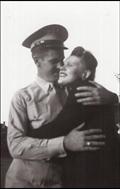

Cherry Point, North Carolina
This was about February
of 1945. At this point, Bill and I went different directions. He got stationed
in California. I caught a train from Chicago to Washington DC. There I
transferred to another train that took me to Newbern NC and caught a bus to
Cherry Point Marine Air base. We spent about ten days there?.mostly just waiting for orders while
personnel got thing straightened out. and then got transferred to Oak Grove.
Oak Grove, North Carolina
This was another Air
Base just a short distance from Cherry Point. It was mainly a training base.
Here we continued training for other new pilots going to overseas duty. Most of
us that were already there had our training and just assisted with the others.
I got lucky at this point. After applying for an Advanced Aviation Mechanics
School, I got selected to go. The nice part about this is that it was in
Chicago. (What a coincidence).
Advanced Aviation Mechanics School? Chicago
The school was conveniently located at the
present location of Chicago Vocational School??87th and Anthony. This was a
very helpful situation for my extra-curricular activities while there. This was
about April, 1945.
It was a great school.
I learned a lot. In addition to this, we had all civilian cooks and for a
change, got some decent food. The best benefit at this school was that we had
liberty every night. I got to spend every night with Toni. We did a lot of nigh
club exploration during those 3 weeks and spent some good times together. We
made a lot of future plans.
?Those
three weeks were over too soon and were probably the best three weeks I spent
in the Marine Corp. I took the same familiar train back to DC, to Newbern and
then to Oak Grove.
Oak Grove, NC
After getting back here, it was the same
old stuff. Mostly training on a daily basis. Any liberty from here was done at
Ashville or Newbern. Ashville had a USO and was best for weekend activities. ?It was May of 1945. While here, I got
orders to go back overseas. As was typical, we got a short furlough before
going over. Of course, I took this opportunity to get back to Chicago, picked
up Toni, and headed to Arizona on the train. My parents had left for
California, so we stayed with Jay and Dorothy. We visited the Grand Canyon with
Jay and Dorothy. We rode up there in Jay?s 36 Plymouth Coupe. It was a business
coupe with no rear seat, so it was a little cozy. We took turns sitting on each
others laps ( no problem)? and the baby (Jay Edward) spent most of
the time on the package shelf in back of the seat.? Of course we all had seat belts on?..right. This
was the first time Toni or I had ever seen the Grand Canyon (Typical Arizonan)
We enjoyed our time together and it was at the end of this trip that we had our
picture taken at the Flagstaff train station. This picture brings back a lot of
good memories and is prominently displayed in most of our family?s homes today.
From there we went to Chicago, dropped Toni off, and continued to DC.? While I was on this trip, I got word that VJ
day had been declared where Japan signed an unconditional surrender.? This was?
September 2nd, 1945. Since the train was full of serviceman
heading back to be shipped out, it was clear that celebration was in order. In
true Military fashion, celebration was started with every available refreshment
and continued through the trip. There was some big heads when we arrived at
Newbern, but the feeling was one of delight knowing that the end was near. We
were all anticipating plans to head back home. Guys with enough points would
get orders home. This point system compared time in service, time in combat,
time overseas, and set up an order for release. The ones with low points were
still shipped out from there, as it was not over yet.
We spent about thirty days (in the normal government fashion)
before getting orders to get out. We were shipped to Cherry Point to be
discharged. This was about mid-October. Again, in normal Government fashion,
papers were lost, and they didn?t even know I existed and could have vanished
without anyone knowing it. I took it on myself to get back to Oak Grove, find
my papers (which were still there)? and
get things moving again. With papers in hand, I returned to Cherry Point and
got myself back into the discharge process. Finally, on the 10th of
November, 1945, I got my official discharge papers. I headed immediately for
Chicago. This period was really a good time. Knowing that I was getting out and
back to my family instead of dealing with a year of overseas duty made it a
great time.
Chicago
Took the train to Chicago and had another
great reunion with Toni. We spent a few days celebrating, buying new civilian
clothes (civies). and just enjoying life.
Toni?s mom had a room available, and I rented the room from
her. We started making plans for a wedding and I got a job at Container
Corporation of America. I worked in the part where they made the paper. They
made new paper out of raw materials and recycled paper. I worked there until
after we were married.
We were married in Chicago on January 19, 1946. The wedding
was at St George?s Church at 33rd & Lituanica. The ceremony was
held in the office area rather than the church as I was a non-Catholic and they
had strict rules at the time about that. The reception was held close by in a
big hall (a very Lithuanian place) at 31st& Halsted. We borrowed
Annie?s car for the wedding. It was a 38 Buick Sedan. Annie owned the tavern
under Grandma Russell?s place.? A few
months later, we took a trip with Bill and Sylvia on their honeymoon (and our
delayed one). We came to Arizona. My folks were still in California, so we
continued out there. Sylvia got real sick while in a motel in San Diego. We
still think it was CO poisoning from a bad wall heater. The weather was crummy,
so we headed back to Phoenix and spent the rest of the week there. From there,
we headed back to Chicago and worked it down to the last penny that all of us
had. We were really skimping on the way back. We made it to Rock Falls where
Bills parents lived with only gas vapors in the tank. There we got a good meal
and a few bucks to continue the trip.
In the next two or three weeks, we decided to change our
direction.
At this time, we decided to try and make a go of it in
Arizona. Toni liked it there and had the side benefit of not having sinus and
allergy problems there in the dry climate. She noticed that when she was in
Arizona, her regular headaches seemed to go away. We started making plans to
move. In the meantime, life and daily jobs had to continue for another month or
so.
I continued working for Container Corporation of America
while there in Chicago. I worked in the plant where paper was made. I started
driving a fork lift just moving scrap paper in to be recycled. Later, I moved
to a? different job where the finished
paper was rolled up. There were big rollers where the fresh and wet paper was
dried. The paper went from one roll to another and after a series of these very
large rollers, the dried paper would then be cut off and started onto a fresh
roll. I had to make the cuts and often had problems where paper would continue
rolling after a mistake. It would waste quite a bit of paper and then had to be
cleaned up. This was quite tricky getting the cuts made without making the
mistakes. I know that the wage at that time was less than $1.00 per hour. I
worked there until we moved to Arizona.
We attended St Georges Catholic Church on 33rd and
Lithuanica.
Occasionally we would get together with Bill and Sylvia. We
went to a night club at At 87th and Halsted. There was another one
we would go to once in awhile on the north side.
We would visit Toni?s sister and her husband (Stelle and
Louie). They lived around 47th and Ashland.? This is a picture of us with Stelle and
Louie.
We visited with some good friends, Jim and Lil DeKoker. Lil
was a friend of Toni?s and they worked together at Walgreen?s. Toni often joked
about being a soda ?jerk?. The kids always enjoyed that. She was later
transferred to the main office and worked there at 47th and Cottage
Grove until the move to Arizona.
Again, all of this was done mostly on streetcars except when
we went with Bill and Sylvia. Sylvia?s car was the 41 Chrysler New Yorker 4
door sedan. This was the same car that she had when we met and the one we used
for the honeymoon trip to Arizona.
We lived at 836 W. 33rd. St. between Lithuanica
and Halsted. We lived in the attic of a 3 flat. We had two rooms and a bath. We
didn?t have a car at the time. We got around on the streetcar most of the time.
Mary Russell, Toni?s mom lived at 34th Place (3436 S. Lithuanica)
and Lithuanica. She rented from the owners of the tavern on the first floor and
lived on the second floor. They continued living there until they bought a 3
flat (with attic) on 3328 South Emerald in about 1954.
ARIZONA 1946
We stayed there in Illinois until about April of 46. At that
time, we moved to Arizona.
We bought a white 40 Pontiac 2 dr. coupe? here in ARIZONA, as you couldn?t go anywhere
here without a car. Here is a picture of Toni with our very first car.The
picture was taken on Dayton?s Ranch.
We came to Flagstaff on the train where mom and dad picked us
up, then to Sedona. We moved down to Dayton?s Ranch where we lived in a small
shack and worked for them.? We were
living there when Jimmy was born. August 23, 1946.
We worked there through the summer. When we first got here,
we started picking fruit and hauling it to Winslow, Flagstaff, and even Kingman.
This was done in a 34 Chevy 1 ? ton truck. When we got to the town, we had to
actually go around and sell it. We established a sort of customer base and then
had repeat visits. When we couldn?t sell it to the regular stores, we would bag
small amounts and sell it right off the truck. This was often more successful
in the Mexican parts of the larger towns. We would sell apples for less than
they could be bought in the stores, so it was quite popular. We stuck to the
Mexican community to avoid the area where the stores were?..as they
would not appreciate selling for less than the store could. We had a lot of
trouble with the old truck. It was usually engine trouble. We ended up
overhauling the engine, and that helped.
Jay William and Jim got a job with a well driller sometime
around October or November as there wasn?t any work at the ranch in the winter.
We did continue to live in the same place at Dayton?s. The well driller was an
alcoholic and we always had trouble collecting our money. He would drop us off
on the job in the morning and we wouldn?t typically see him again till night.
You could usually tell he?d been drinking all day.
Arizona?
1947
While working there with the well driller,
Jim developed ulcers and had trouble with them bleeding. He went to the VA
hospital in Prescott. They kept him there a month and wanted him to stay
longer. He signed a waiver to be released against their judgment, as we had no
choice but to get back to work.? At this
time, summer was coming and Dayton put us both back to work. There was ditch
work to do for the irrigation. We stayed there through September.
Estelle?s son Bobbie died at that time and they headed to
Chicago
The work there in ARIZONA was not enough to get by and they
felt that they could do better.
We had no idea what we would do in Chicago, but felt that we
needed to go for Estelle anyway, so this was a good opportunity to make the
break.
We were still driving the ?40 Pontiac at the time.???? We stopped in New Mexico to get a few
hours sleep and then it didn?t want to start. We were parked on a hill and was
able to roll it along and get it started.?
They drove it to Amarillo without stopping where we pulled into a
Pontiac garage. They checked it out and the car had no compression?bad news.
They did get it started for us and we drove it to Chicago without shutting it
off. Needless to say, when we got there, Jim overhauled the motor. It worked
good after that.
After Arizona??Back to Chicago..
There was some tough times there with Stelle losing her son,
but everyone worked through it.
We stayed with Toni?s mom until Jim got work. Louie Labash
knew of work available at the Grand Trunk Railroad where he worked at the time,
and this worked out well. Louie had been working there about a year since he
got out of the service (Coast Guard). He helped get the job. Here is a
picture of a Grand Trunk Engine, The Spirit of ?76 .
After starting work there, we got a basement flat back in the
same place on 33rd,? (between
Halsted and Lithuanica). . This was the same place we lived in the attic before
moving to Arizona. ?We lived there for
about two years. While living there, Terry and Merry Carol were born. (Terry
May 20, 1948)? (Merry Carol? December 25, 1949) At that time, we? bought the home in Mt. Greenwood. We had
saved up some money and borrowed some from Toni?s mom for the down payment on
the home. We were able to get a VA loan which helped a lot.
Ron was born shortly after moving there on Feb. 27 1951
Kathy was born December 15, 1947.
Karen and Sharon were born September 7, 1959.
There were 7 kids all together.
Jimmy started a kintergarten class at Mt. Greeenwood school
in Sept of 1951.
Jimmy started 1st grade at the public school
portable buildings in September of 52. On one of the first days of class, Terry
walked with Merry and Ron (still in diaper) to visit Jim at school. Kids and
Jim thought it was great?.teachers and mom not impressed.
?
Jim started an evening class on body work. It was on 35th
and State Street. Midwest Trade School was the name. The class was every night
of the week for 6 months.
After finishing this class, Jim started doing some part time
work doing side jobs in a friends garage. This friend was someone Jim worked
with at the railroad (Carl Meitner) Jim described him as a good guy always
willing to help someone. He let Jim use the garage and a lot of tools that he
had. Carl lived close to Harlem Ave around 52nd. St. Jim would often
go right out there from work and get in a few more hours. While in the school,
Jim painted the Pontiac a gray color at school. As a part of this project, he
removed the running boards and added a rocker panel.
Carl had one of the meanest dogs Jim had ever seen. In time,
he finally got to where he could take care of the dog for Carl.
The dog was kept on a long chain where it could reach
everything in the in yard and the garage (early crime prevention)
This went on for some time helping supplement income and
savings to get the new house.
When they moved into the new house in Mt. Greenwood,? They still had the 40 Pontiac, but it got a
new Maroon paint job sometime right after the move to Mt. Greenwood. Jim
immediately set up his own side business in the garage that came the property.
It was a two-car garage and served as a garage and body shop for all the years
they lived there. Jim did body work for most everyone in the neighborhood at
one time or another. This probably helped in relations and lack of complaints
about painting etc around the neighborhood.
Jim can?t remember ever having a complaint about the work
going on there. It became very popular for the neighbors, and if he wanted to
get any work done, it was necessary to keep the door closed. There was a
constant flow of people wanting work done well and reasonable by him
A year or so after being in this home, Jim remembers that
someone wanted the Pontiac real bad, so he sold it to him and bought a 46 Ford
2 dr. Sedan. (Maroon) This was the family car for awhile but later was traded
in on a 48 Pontiac station wagon. This car had wood sides and a straight 8
engine.
Toni went to work and they bought another Pontiac. It was a
49 2dr. fastback sedan. (Dark Brown Metallic) Both Pontiacs were 3 speed on the
column.
Later, the 48 wood wagon was traded in on a 50 Pontiac
station wagon. This was one of the new style with metal sides that looked like
wood. It had a straight 6 cylinder and a 3 speed on the column.? Jim painted it a light green color with white
inserts on the wood detail.
Jim Jr.?s memories of shopping for these Pontiacs was in
the? prism on the dash (of the ones with
sun visors)and the lighted Pontiac Indian on the hood. These seemed like reason
enough to have these cars.
Here is a picture of our house in Chicago
at 3556 W. 115th Place.
School in Chicago
After the first year where Jimmy went to 1st grade
in the public school, everyone went to the Catholic school. This was St.
Christina?s on 110th and Christiana. All? of the kids except Kathy did all of the years
and graduated from this school. Kathy went to Mt. Greenwood public school at
109th on Homan. She would often stop and visit Marcy at Haaker?s
home (10935 S. Homan) as she walked home from school there.
Kids were all active in many things while in school
including:
Sea Scouts at St Christinas
Altar Servers at St. Christinas
Girl Scouts
Baseball at Mt. Greenwood program
Swimming at the Y MCA on?
111th and Michigan in Roseland
Boy Scouts at a small church in Alsip
Working at the Mt. Greenwood news agency
?
(remember those really COLD Chicago mornings, delivering newspapers?)
Police Cadet program in Alsip
At the Mt. Greenwood Park:
Art Classes
Bike parades
Airplane flying
Babe Ruth baseball
Junior Citizen
Acting Classes
Ice Skating
At the home on Central Park, Jim, Toni, and kids (big help
I?m sure) would often make a snow border, freeze it, and then flood the yard
for an ice rink. It wasn?t unusual to have the whole neighborhood over there
for skating during the coldest part of the winter. We can all remember many a
cold evening out there watering the rink. Jim and Toni welcomed people to the
home, the rink, baseball on the corner, or whatever we could come up with?..even
messing up dad?s garage, or setting up a band in the basement. (Ron) . It
always seemed like all were welcome, and the more the better? There were a lot of good memories from this
time. The big corner lot had a nice big back yard, room for baseball lessons,
skating, playing with dogs, chasing brothers, sisters, etc.
Other great memories from that time were trips to McLaury
Springs for a birthday party. Jim and Toni would drive two vehicles to haul
everyone in the neighborhood there for a good time.
In 1958, we got? the
first new car ever. It was a 58 Chevrolet Brookwood Station Wagon. It was
silver-blue. It was a 6 cylinder with a 3-speed on the column. Both of the
Pontiacs were gone at this time.
In about 1960, we bought a good 1957 ford truck. It had a 6
cylinder with a 3 speed on the column. It ran fine, but was used around a steel
mill, where it rusted even more than a typical vehicle would have around the
Chicago area. I fixed it up, patched all the rust and painted it black and
white. I cleaned up some of the lines and it looked real good. The radiator had
some problems with corrosion. I went to a wrecking yard near the railroad where
I worked there and got a bigger radiator out of a Pontiac. It worked into the
space well and never overheated through all the years we owned it. This truck
made several trips to Arizona with the family in different sorts of ?campers?.
The first one was a rough wood frame with some canvas pulled over it. It was
challenging during rainstorms, so it got revised after a few trips. I built
another version with the help of my friend Jim Conroy. It had a pull-up top and
canvas walls? again. This one was pretty
good and served us well for quite awhile. Right after building this rig, we
took the family on a trip around Lake Michigan. Memorable things on that trip
were:
1. Stopped
at Jane Kohl?s moms place in Twin Lakes Wisconsin. It was a resort on a nice
small lake. It had great fishing and nice cabins.
2. Stopped
in Green Bay and saw Jack and Emily Harkins. Jack was in the Marines with me
and was Terry?s Godfather. (Lundy Diogardi was Terrys Godmother)
3. Trip
over the Straights of Macinaw to Macinac Island. This was a long impressive
span.
A few other trips in that same rig were:
1. Several
trips up to Devils Lake in Wisconsin. (One trip with the Conroy family)
2. One
trip to Arizona
3. A
trip to Wisconsin Dells
?
I sold the truck and the camper in about 63. We made do with
the 58 wagon for a short time until we got a 1963 Ford pickup?.probably
about 1964. This was an interesting vehicle. It was the one year that Ford made
the cab and bed as a single unit. It was the same time that uni-body
construction was being attempted. I painted it black and white, but only kept
it for a short time.
In 1965, we bought a new 65 Chevy wagon. It was? Bel-Air. It had a 283 motor with a 3-speed on
the column. It was light metallic green color. We made a trip to Arizona when
this was pretty new. This was the trip when we?
brought Kay and Gay back with us. On the return tip, we went through
Montana, Teton National Park, Yellowstone, (we stayed in a small cabin here)
through South Dakota Badlands to the Presidents Monument. They stayed about two
weeks with us in Chicago and they returned on the train. At that time, the
Grand Trunk still would help out with passes.
?
In March of 1966, Jim Jr. went into Navy boot camp at Great
Lakes. While he was in there, about April, I bought a 1965 Chevy pickup. It
only had about 3000 miles on it and was just like a new truck. It was ?
ton.(C20) It had a 283 motor and a 4 speed manual transmission. This truck made
a lot of family trips. One of the first was a trip to Maine to take Jim to his
first duty station after sub-school in Kittery Maine. We didn?t make a lot of
stops on the way as Jim had to be back. On the way back, we stopped at a lot of
places:
1. New
York City?.Statue
of Liberty, Downtown, Harlem, etc?..Tried to stop and see an Aunt of Toni?s there, but
never did catch up with her. She was not at home and in true city fashion, the
cops were called because we were hanging around (obviously a shady looking
bunch). Made a deal with the cops?.they told us the best way out of town and we gladly
took it.
2. Washington
DC. Visited most of the sights there. Smithsonian, Pentagon, Lincoln Memorial,
just drove by the white house (when drive-bys were ok)
3. Drove
to a nice campground in West Virginia and camped for the night.
4. From
there, straight through to Chicago with me in trouble for not wanting to stop??since
no one could decide or agree on what they wanted??.made it easy. No one
starved as mom had good stuff for everyone as always.
Not long after this trip, we bought a nice larger camper for
this truck. We made a lot of trips with this configuration.
One of the first trips with the new camper and all (summer
1967)was to the Hemisfair (Worlds fair) in San Antonio. Texas. On the way, we
stopped at Agnes Kilpatricks house in Texarkana Texas. From San Antonio, we
went to the Dallas area to visit Jim and Lil Dekoker. Lil was a good friend of
Moms from Chicago. Jim played in a ?Big Band? and was very good. We used to go
the some of the ballrooms in the Chicago area when he played. Aragon and
Treanon were two of them. These were probably two of the largest ballrooms in
the Chicago area. Aragon was on the North side of Chicago and the Treanon was
on the South Side around 63rd and Cottage Grove.
From Dallas, we went to El Paso Texas and thought we?d never
get across the state. We visited Juarez from there. We left the truck in the US
and walked over. Had a gun in the truck and didn?t want to risk taking it over
there. We took a cab around there (daring) The cab drivers there are
certifiably nuts.???
From there, we went to White Sands National Monument in New
Mexico. There we spent several hours rolling around in the sand and having a
good time.
We went to Albuquerque and from there to Sedona. We were glad
to arrive as the trip was long. Ron was relieved to get out of the camper where
he had been trapped with his dear loving sisters for too-long of a period.
We stayed in Sedona for a few more days and then back pretty
much non-stop to Chicago.
Next trip was again to Sedona (1968????) and we remember that
we were in Missouri? on Route 44 when the
first person landed on the moon. We had Richie Labash with us.
In 1970, Jim got out of the Navy. Marcy and he moved from the
east coast back to the Chicago area. Jim was working at International Harvester
and Dad was still with the Railroad. (Grand Trunk Western). Somewhere around
the end of 70, we noticed that a Texaco service station in the Mount Greenwood
area was available and we checked on it. After some consideration, Jim left the
job at Harvester and working together, the station was opened. It was on 115th
and Pulaski (Crawford). Dad worked nights at the railroad and then would spend
long days at the station too. Jim pretty much lived at the station. Mom and
Marcy came by for visits and always brought good food. This went well for about
a year, but we drove the Texaco reps crazy with all the work we did. They were
interested in pumping gas and we did everything we could to make a buck?.body
work, engines, transmissions?.whatever?.and we did good. The rep would show up and we?d be in a
cloud of paint dust. It didn?t fit the image. After realizing it was all about
the oil company, we decided to just not do this any more. A very sad thing
happened at that time to clinch getting out. Right down the street, a good
friend, Randy Steger was working in a Clark gas station. He was held up one
night, and because they used a drop safe system for the money, he couldn?t give
the dirtbags what they wanted. They shot him five or six times trying to get
him to open the safe.? As it was, we had
several sidearms on us while working every day and decided not to continue with
this way of life.
Jim and Marcy moved to Sedona and I went back to just the full
time job at the railroad.
November 10, 2002
Sitting here with Dad talking about the Marine Corps and
thought that it was 60 years ago he went in. Time flies when you?re having fun.
Today is June 6,
2004. Sitting here with Dad filling in more details. Sure glad to be doing this
as he has a close call in a recent hospital visit. In March, he went in to
Verde Valley Medical with pnemonia. Only in the last few weeks, he finally got
home and we?re getting back to some normal life.
6/1/06....Just
recently (in 2006), Paul Thompson talked to me at a local "old
timers" get-together. Paul was in first grade with my brother Justin and
was in class when my proud mom took me there in uniform for a sort of show and
tell. Only today after all these years do I truly understand what that sort of
visit meant to those children. Paul told me that he still has memories of that
visit, of the the pride for country instilled in them at that time by the
returning servicemen, teachers, and family. It was good to talk to Paul about
that. Paul's family, (father Albert, brother Sam,) lived across the creek from
Indian Gardens. Paul met his wife at the roller rink there at that time. He
remembered wearing out several sets of skate wheels while enjoying that
facility over the years.
The following
paragraphs were added during a short sitting on?
6/12/06 with Dad,
Alyssa, and I. Alyssa (great grandaughter) did the typing.
.....to water
garden or flowers........
?Up behind the house a few hundred feet, on
"Mockingbird hill,"(a hill behind the homestead named by
grandma)? there was a series of dams. The
upper dam made of concrete and rock held cleaner water. We kept this covered
and when we needed drinking water we would carry it down to the house in
buckets. Below that, the second dam was made of mud and rocks. This water was
used for all livestock and gardens. Again, this was bucket powered delivery.
The water in the lower dam was usually loaded with algae and had plenty of
tadpoles and various other creatures. During the rainy season these dams
provided a good supply of water for all of our needs, but when things started
to dry out, we had to rely on other means of transporting water. The old Ford
Model-A truck was set up with six water barrels on the back and would be driven
to the creek at Cross-Creek ranch, about once a week, where we used a bucket
brigade to fill it. We'd use this water carefully throughout the week, and as
the water got old, we would dump it into the gardens and watering troughs
before taking it down to refill. In later years, the Model-A truck was replaced
with a newer and larger truck (possibly a 1941 Ford) with a large tank on the back.
Jay and I did a large portion of this water hauling chore for the family and
would usually enjoy a swim while we were down there. I find it amazing today,
as I think back, that we used to drink this water straight out of the creek and
never suffered any effects from it at all. Today, this would be a hazardous
practice. One of the drawbacks of fetching water from the creek was that during
rainy season, the water would be extremely muddy. Any attempt to use this water
for washing clothes, would permanently turn them red. Sometimes, when the creek
was muddy, we would drive into Sedona where an irrigation ditch just upstrem of
Tlaquepaque was available for use and usually not as muddy. In addition, there
was a hose set up there where we could siphon water from the ditch into the
truck, avoiding the bucket brigade work. The fact that we raised cattle caused
many more trips for water,?????? as they
used a major portion of our water. I could remember, in those days we raised
pinto beans without water which doesn't seem like that would be possible today.
I guess the reason for this is that during that decade, there seemed to be more
regular rain.
Our food in those
days consisted of pinto beans, chickens, cattle and pigs and a few fresh
vegetables, all of which were raised on our own place and we got our own milk
from our milk cow. We always had a few dogs and they pretty much ate our scraps
or what they could catch on their own. We occasionally had to go to the store
to buy sugar, salt potatoes and once a week, a candy bar. The closest store was
located in Sedona but more commonly, we had to make trips to cottonwood and
Flagstaff to sell chicken and eggs so we often bought our groceries there.
Trips to Prescott and Phoenix were an extremely rare occasion and to get to
either place meant traveling over Mingus mountain, through Jerome.
--FLIGHT
EXCERCISES--
These new pilots
were pretty good and very conscicientious. With all of the flight hours logged
there we only had one mishap that I can recall. This one mishap stands out in
my mind because I lost a good friend who was flying in the gunner's seat at
that time. In general, we trained very good pilots who went out and did their
jobs for us. We worked with the same bunch of pilots all the way through the
war and we all had a lot of respect for what they did.
--ANNIE'S BAR--
It was located on
the southeast corner of 34th place and Lithuanica. Grandma Russell lived on the
second floor above the bar. We later moved into a place on the east side of
33rd just off of halsted street. First we moved into an attic flat and later
into a basement flat at the same location. This neighborhood is known as
Bridgeport, is very ethnic Lithuanian, and to this day is still under the
control of the Mayor Daley family. It is also in the area of Comiskey Park,
home of the White Sox.
Dad passed away
on? June 27th 2006. He was at
home in bed.
Jim


